
Supplement Habits
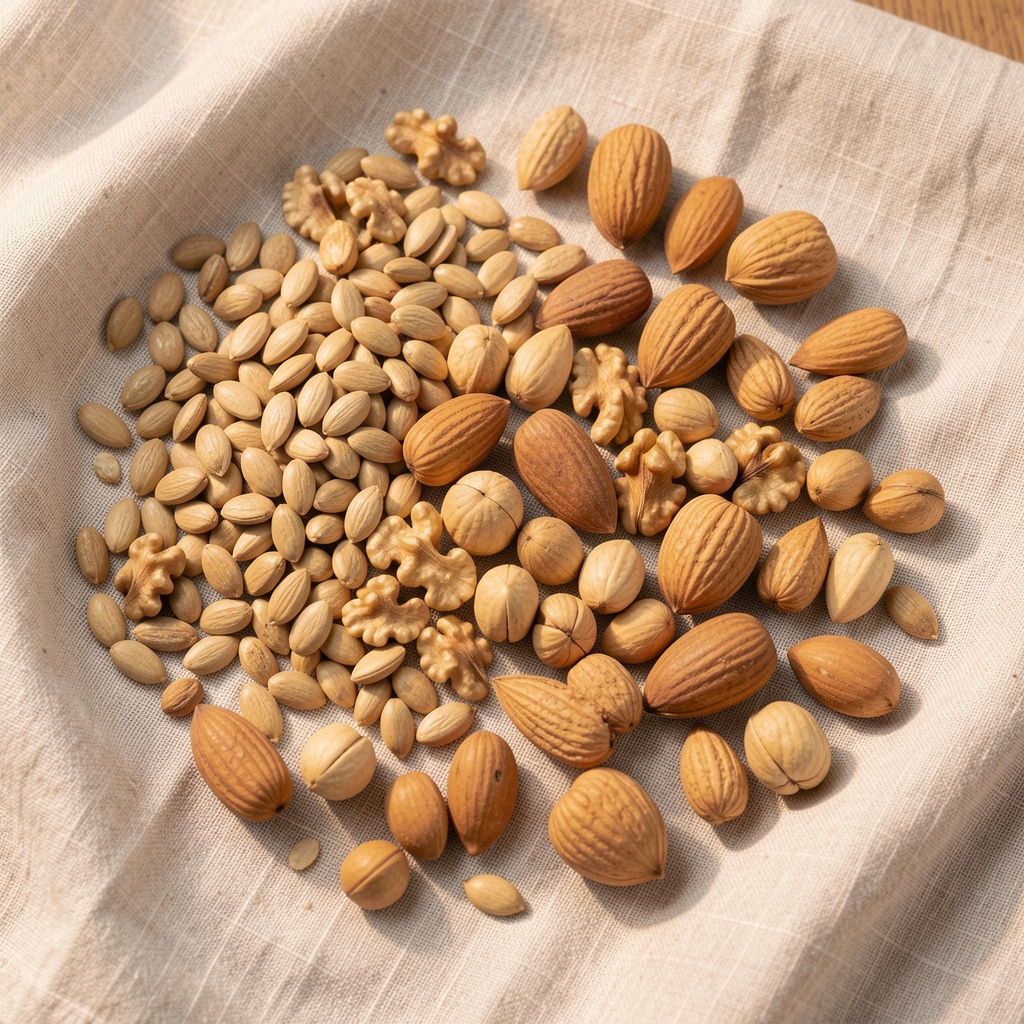
Jakarta, February 2026 — Across four weeks of reading published nutritional research and observing the daily supplement habits of active men in this city, one pattern appeared with particular consistency: the dietary presence of zinc and magnesium remains both widely discussed and often poorly understood in practical terms.
Zinc is among the trace minerals most frequently referenced in literature on men's daily nutrition. It contributes to daily nutritional balance and is found in a range of whole food sources including meat, pumpkin seeds, legumes, and cashews. In men's supplement discussions, zinc is often cited alongside discussions of active lifestyle routines and daily nutrient variety.
The published nutritional literature on zinc intake in adult men suggests that dietary sources remain the most well-documented route of maintaining adequate daily levels. For active men whose diets may not consistently include zinc-rich whole foods — a documented pattern in urban Indonesian dietary surveys — a daily supplement has been observed as a common practical adjustment.
What this editorial finds more notable is the quality of awareness around zinc among the active men we observed. Several participants in our Jakarta observation cohort could articulate the role of zinc in their daily nutritional balance with considerable specificity, referencing seed-based snack habits and legume consumption as part of a conscious approach to dietary variety.
Magnesium appears less prominently in everyday supplement conversations among men, though it features consistently in published nutritional research on active populations. Associated with muscle function awareness, magnesium is found in nuts, leafy greens, and whole grains — food categories that appear in varying degrees across the dietary patterns we observed.
Among the active men in our Jakarta cohort, magnesium supplementation was less universally practised than zinc supplementation, despite its noted presence in published research on active lifestyle nutrition. Several participants were unaware that their dietary patterns — high in processed foods and low in leafy greens — may have been producing lower habitual intake of this mineral.
This observation is not a commentary on individual choices but a documentation of a structural gap: the visibility of magnesium in popular men's wellness discourse does not yet match its presence in the published nutritional literature on active men's daily nutrient needs. That gap is worth noting editorially.

Magnesium-rich foods — greens, nuts, seeds — documented in the field. Jakarta, 2026.
Our observations across four weeks included conversations with twelve active men aged 24 to 41, all resident in Jakarta, all maintaining at least three exercise sessions per week. The supplement habits recorded ranged from no supplementation at all to structured daily stacks that included multivitamins, isolated zinc, magnesium glycinate, and omega-3 capsules.
The most common supplement configuration observed was a basic multivitamin taken in the morning alongside breakfast, with no separate mineral supplement. This pattern was reported by seven of the twelve participants. Of the remaining five, three had added isolated zinc at some point following awareness raised by online nutritional content or word of mouth among gym contacts.
The editorial observation here is that supplement adoption in this group appears primarily driven by peer recommendation and general awareness, rather than systematic reading of nutritional research. This is not unusual — the same pattern has been documented in nutritional behaviour research in other regional populations — but it does suggest that the quality of accessible information about minerals like zinc and magnesium within men's wellness discourse in Indonesia merits closer editorial attention.
Published nutritional guidance consistently positions whole food sources as the primary basis for adequate mineral intake. Zinc from pumpkin seeds, cashews, and meat; magnesium from almonds, spinach, and whole grains — these are the documented dietary sources that appear most reliably in published nutritional research on daily mineral balance for active men.
Several of the men we observed had developed informal dietary habits that naturally incorporated these sources — not as the result of structured nutritional planning, but as accumulated practice over time. One participant described a daily mid-morning handful of mixed seeds as a habit formed years prior from general reading about daily nutritional variety, now maintained without particular attention to the specific mineral content.
That kind of accumulated, informal dietary knowledge is worth documenting. It suggests that men's nutritional awareness, even when not formally structured, can organise itself around broadly sound principles when the surrounding information environment supports that direction.
Where dietary patterns do not reliably supply adequate zinc or magnesium — a documented occurrence in urban populations with high reliance on processed foods — a daily supplement has been observed as a practical and commonly adopted adjustment. The published nutritional research on this subject does not suggest that supplementation replaces dietary variety, but it does document the role of supplemental minerals in supporting daily nutritional balance where food sources are inconsistent.
For the active men we observed, the decision to supplement was rarely the result of a formal assessment. It was more often a gradual addition, adopted incrementally as awareness grew — first a multivitamin, then isolated zinc, then perhaps magnesium. This incremental pattern is the kind of documented behavioural reality that an editorial publication can observe, record, and make accessible to a wider readership.
It is appropriate to note that much of the published nutritional research on zinc and magnesium in active populations has been conducted in Western European and North American settings. The applicability of these findings to active men in Indonesia — where dietary patterns, food availability, and daily routines differ meaningfully — is a question that remains under-examined in the peer-reviewed literature.
This editorial observation does not invalidate the existing research, but it does suggest a gap that regional nutritional scholarship and editorial publications like Karivon Letters are positioned to address. The documentation of actual supplement habits and dietary patterns among active Indonesian men is a contribution to a body of knowledge that is currently thinner than the global picture of men's nutritional awareness would suggest.
We recommend speaking with a qualified health or nutrition professional before introducing any new supplement or dietary change into your daily routine, particularly if you have any existing health considerations.
"The dietary presence of zinc and magnesium among active Indonesian men is consistent enough to note — and varied enough to warrant careful, specific documentation."